Best Selling Microphones
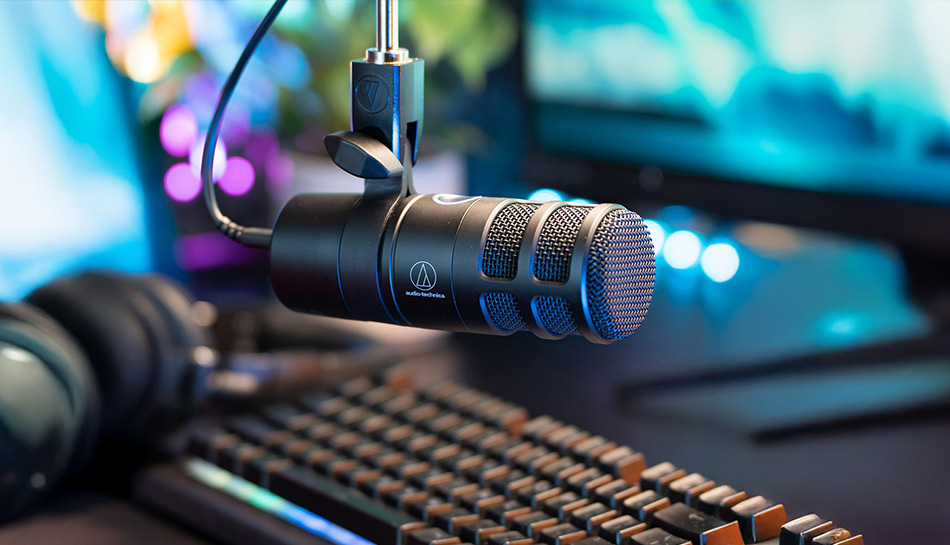
A microphone is a device designed to capture sound waves and convert them into electrical signals that can be amplified, recorded, or transmitted. It consists of several components, including a diaphragm or membrane that vibrates in response to sound waves, a transducer that converts these vibrations into electrical signals, and an output mechanism to send these signals to an amplifier or recording device.
In the vast symphony of technology, one instrument stands out as the unsung hero of auditory exploration: the microphone. From the grand stages of concert halls to the intimate corners of recording studios, microphones are the silent conduits that give voice to sound itself. In this article, we embark on a journey into the heart of microphone technology, unraveling its intricacies and unveiling its transformative power.
At its core, a microphone is more than just a tool; it's a storyteller, a translator of emotions, and a guardian of memories. With each delicate diaphragm vibration, it captures the whispers of history and the thunderous applause of innovation. From the pioneering days of Alexander Graham Bell to the cutting-edge advancements of the modern era, the evolution of microphones mirrors our relentless pursuit of clarity and fidelity in communication.
Types Of Microphone
Microphones come in various types, each with its own characteristics and ideal applications.
Here are some common types:
Dynamic Microphones: These are robust, versatile, and widely used in live sound reinforcement and recording. They work by electromagnetic induction, where sound waves cause a diaphragm attached to a coil to move within a magnetic field, generating an electrical signal. Dynamic microphones are durable and can handle high sound pressure levels, making them suitable for capturing loud sources like drums and guitar amplifiers.
2. Condenser Microphones: Also known as capacitor microphones, these are prized for their sensitivity and accuracy. They utilize an electrically charged diaphragm placed close to a backplate, forming a capacitor that varies with sound pressure. Condenser microphones require phantom power (usually 48V) to operate and are commonly used in studio recording, capturing vocals, acoustic instruments, and detailed sound sources.
3. Ribbon Microphones: These microphones use a thin strip of metal (the ribbon) suspended within a magnetic field. When sound waves hit the ribbon, it vibrates, inducing a voltage proportional to the sound signal. Ribbon microphones are revered for their warm, smooth sound character and are often preferred for recording vocals, brass instruments, and strings.
4. Electret Microphones: These are a type of condenser microphone where the diaphragm is permanently charged with a fixed voltage, eliminating the need for external polarizing voltage. Electret microphones are commonly found in consumer electronics, such as smartphones, laptops, and camcorders, due to their compact size and low power requirements.
5. Boundary Microphones: Also known as pressure zone microphones (PZM), these are designed to be placed on a surface to pick up sound evenly from all directions. Boundary microphones are often used in conference rooms, stage productions, and broadcast studios for capturing clear, natural-sounding audio without the need for close miking.
Uses of Microphones
Microphones serve a plethora of purposes across various industries and everyday activities. Here are some common uses:
Audio Recording: Microphones are used extensively in audio recording for music, podcasts, film, and television production. They capture sound waves and convert them into electrical signals that can be stored digitally or on analog media.
Live Performances: In concerts, theaters, and other live events, microphones amplify performers' voices or instruments, allowing them to be heard by large audiences.
Communication: Microphones are integral to communication systems such as telephones, intercoms, and two-way radios. They facilitate clear transmission of voices over long distances.
Speech Recognition: Microphones are used in devices with speech recognition technology, such as smartphones, smart speakers, and voice-controlled assistants like Siri or Alexa. They capture spoken words and convert them into text or commands.
Public Address Systems: Microphones are often used with amplifiers and loudspeakers in public address systems, enabling announcements and speeches to be heard clearly in public spaces like stadiums, airports, and train stations.
Recording Studios: In professional recording studios, various types of microphones are used to capture vocals, instruments, and other sound sources with precision and clarity.
Broadcasting: Microphones are essential tools in radio and television broadcasting, enabling broadcasters, journalists, and hosts to deliver news, interviews, and commentary to audiences.
Sound Reinforcement: In venues such as conference rooms, lecture halls, and houses of worship, microphones are used to reinforce speakers' voices, ensuring that everyone in the audience can hear clearly.
Medical Applications: Microphones are used in medical devices for recording heartbeats, lung sounds, and other physiological sounds, as well as in speech therapy and diagnosis of speech disorders.
Security and Surveillance: Microphones are integrated into security cameras and surveillance systems to capture audio along with video footage, providing additional context for monitoring and investigation.
Environmental Monitoring: Microphones are used in environmental monitoring systems to record natural sounds, such as wildlife calls or weather patterns, for research and conservation purposes.
Gaming and Virtual Reality: Microphones are incorporated into gaming headsets and virtual reality systems to enable voice chat, immersive audio experiences, and voice commands within games and simulations.
Advantages of Microphone
Microphones offer several advantages across various applications and industries:
Sound Capture: Microphones are designed to capture sound waves and convert them into electrical signals, allowing for the recording, amplification, and transmission of audio.
Versatility: Microphones come in a variety of types, including dynamic, condenser, ribbon, and lavalier, each suited to different recording environments and purposes. This versatility enables users to choose the appropriate microphone for specific needs, whether recording vocals, instruments, or ambient sound.
High Fidelity: Many microphones are capable of capturing sound with high fidelity, preserving the nuances and details of the original audio source. This makes them indispensable tools in professional recording studios and live performance settings where audio quality is paramount.
Amplification: Microphones amplify sound, making it louder and more audible, which is essential for live performances, public address systems, and communication devices.
Directionality: Certain microphones are designed with directional properties, allowing them to pick up sound from specific directions while rejecting ambient noise. This enables users to focus on desired sound sources and reduce interference from background noise.
Accessibility: Microphones are widely available and relatively affordable, making them accessible to a broad range of users for personal, professional, and recreational purposes.
Integration: Microphones can be easily integrated into various devices and systems, including smartphones, cameras, computers, and audio equipment, enhancing their functionality and versatility.
Real-Time Feedback: Microphones provide real-time feedback, allowing users to monitor and adjust audio levels and quality during recording, broadcasting, or live performances.
Speech Recognition: Microphones are essential components of speech recognition technology, enabling devices to accurately capture spoken words and convert them into text or commands.
Research and Analysis: Microphones are valuable tools in scientific research, acoustic analysis, and environmental monitoring, enabling the study of sound phenomena and the collection of data for analysis and interpretation.
Disadvantages of Microphone
While microphones offer numerous advantages, they also come with some disadvantages:
Noise Sensitivity: Microphones can pick up unwanted background noise, which may degrade the quality of the recorded audio. In environments with high levels of ambient noise, such as busy streets or crowded venues, this noise interference can be particularly problematic and may require additional measures to mitigate.
2. Feedback and Distortion: In live sound reinforcement systems, microphones can sometimes cause feedback loops, where the amplified sound from the speakers is picked up by the microphone and re-amplified, leading to a high-pitched squeal. Additionally, microphones can introduce distortion or clipping if subjected to excessively high sound pressure levels, compromising the fidelity of the recorded audio.
3. Directionality Limitations: While directional microphones can be advantageous for focusing on specific sound sources, they also have limitations. They may struggle to capture sound from multiple directions simultaneously, and their effectiveness can be affected by the positioning of the sound source relative to the microphone. This can lead to challenges in capturing all desired audio elements in complex recording or performance environments.
4. Physical Fragility: Microphones are sensitive electronic devices that can be damaged by physical impact, moisture, or extreme temperatures. Condenser microphones, in particular, contain delicate components that are susceptible to damage if mishandled or exposed to harsh conditions. Protecting microphones from accidental drops or environmental hazards is essential to ensure their longevity and performance.
Conclusion
In 2026, the microphone market has reached a pivotal juncture, with professional-grade audio more accessible than ever.Ultimately, the best-selling microphones of 2026 are those that offer "fail-proof" audio, allowing creators to focus on content rather than technical troubleshooting.
Here are the some best Microphones in India
Hollyland Wireless Magnetic Mini Microphone: Lark A1 Mini Duo Wireless Mic for iPhone15/16/iPad/Android Smartphone with 3-Lv Noise Cancel, 200m Transmission for YouTube Podcast Vlog Content Creation (Buy now)
BOYA Mini 2 | Wireless mic for YouTube | Mic for Video Recording | Microphone for vlogging | Smart App Control with Strong Noise Reduction Upto -40dB, 48kHz/24-Bit Studio Sound Quality (Buy now)
GRENARO Mic for YouTube Wireless, 3-Level Adjustable Noise Reduction Mic Wireless,S12 Wireless Microphone for Youtubers with LED Indicator Light (Single Channel Type-C Port Version) (Buy now)
Portronics Dash 7 Omnidirectional Type C Wireless Microphone, Noise Cancellation, Plug & Play, Lapel Wireless Mic for Video Recording, Supports Type C Android, iPhone, Camera(Black) (Buy now)
MAONO RGB Condenser Gaming Mic, USB Podcast Microphone with Noise Cancellation, Mic Gain, 1-Click Mute, Adjustable RGB Light for YouTube Recording, PC, Laptop (DGM20-Black) (Buy now)
