Best-Selling Nutrition Bars
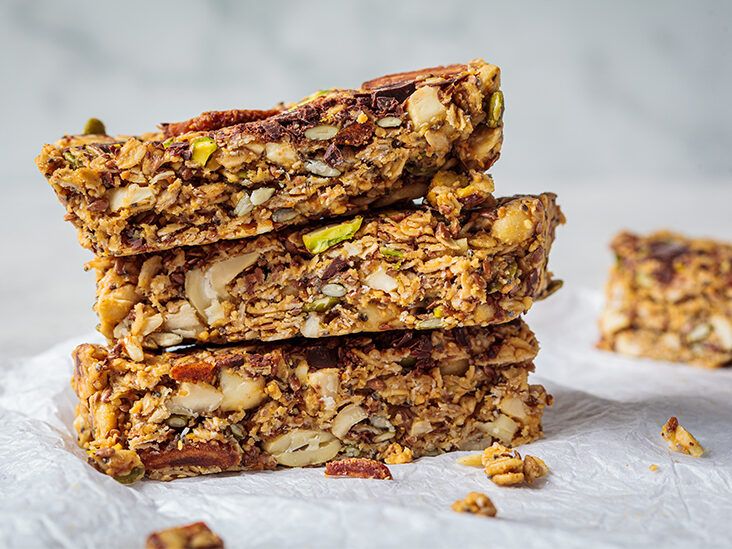
Popular snacks called "nutrition bars" are designed to provide quick access to nutrients. Many people appreciate them because they are an easy way to add protein and other minerals to a busy and active lifestyle. With so many nutrition bars to choose from, it's essential to know that not all are the same.
This article discusses the pros and cons of protein bars and how to incorporate them into your daily routine.
The nutrient composition of nutrition bars can differ significantly between brands and flavors.
Their unique elements are primarily to blame for this.
Dates, dried fruit, nuts, seeds, and nutritious grains like oats or quinoa can all be used to make protein bars. 5–10 grams of fat, 20–30 grams of carbohydrates, and 5–10 grams of fiber can be found in an average protein bar.
Many nutrition bars are a good source of micronutrients like calcium, B vitamins, potassium, and iron, as well as protein and carbohydrates. When looking at ingredient labels, remember that some protein bars use a secret mix of ingredients and don't disclose what's in them.
Many protein bars also contain unhealthy sweeteners like high fructose corn syrup, which adds too much fructose to your diet and increases your risk of developing diabetes, being overweight, and creating a fatty liver if you consume a lot of it. Most protein bars typically provide between 150 and 400 calories and 10 and 20 grams of protein per serving, while some are closer to 30 grams. Protein comes from a variety of sources. While some bars use plant-based ingredients such as soy, pea, or brown rice, others contain dairy proteins from milk, yogurt powder, or casein and whey. Some of them use egg whites, while others use nuts and seeds as their primary source of protein.
Additionally, several protein bars substitute highly concentrated protein sources like whey or soy protein isolate with less processed, whole-food options.
Efficient Benefits of Nutrition Bars
The good thing is that it is possible. You might be wondering if eating a protein bar has any potential advantages.
Let's examine some of the most typical in more detail.
A convenient source of nutrients
Protein bars can be a quick, wholesome, ready-to-eat snack.
They are practical to keep on hand because they are available in various flavors and usually last a while. A well-rounded bar with a respectable amount of protein and premium ingredients can be a sensible choice for your lifestyle if you want something to eat as a midday snack. Protein bars are a great snack before or after a workout because they are high in protein and carbs. This gives you energy during your training and helps your muscles recover afterward.
Some protein bars are also a good source of dietary fiber, which is essential for healthy digestion and may keep you from overeating between meals.
Lastly, many protein bars have essential vitamins and minerals like calcium, iron, magnesium, potassium, phosphorus, vitamin E, and B vitamins that can help you meet your daily needs for these micronutrients.
Weight loss
Many people rely on protein bars to boost their efforts to lose weight. Some research shows that diets with a lot of protein help people lose weight more than diets with an average amount of protein. This is probably because protein makes you feel full, which can help stop you from overeating. Even if you use protein bars to help you lose weight, remember that a healthy weight-loss plan also includes a well-balanced diet and regular exercise.
Weight gain
You must consume more calories each day than you expend to gain weight.
Protein bars might be helpful to your diet if this is your objective. Calorie-dense foods include a lot of calories in less food, which is the case with many protein bars. Because of this, we are consuming more calories without eating more food, which is simple. For instance, the calorie count of certain protein bars might reach 350. These are easy to eat between meals to increase calorie intake and aid in weight gain. Choose protein bars with healthful components over ones loaded with extra sugar and additives, even if your goal is to gain weight.
Meal replacement
Protein bars are frequently a quick replacement for meals, particularly in the morning. While a protein bar cannot replace a breakfast made from a variety of whole foods, it can be helpful in a pinch. If you occasionally want a quick breakfast, protein bars with more significant calorie counts but no added sugar or hydrogenated oils can be a good option.
Muscle gain
More protein in your diet may help your efforts if you are an active person with a lot of muscle mass or someone who wants to gain muscle. Athletes who are strength- and endurance-trained should ingest 0.54-0.77 grams of protein per pound (1.2-1.7 grams per kg) of body weight, according to the American College of Sports Medicine.
If you work out and eat well enough, adding protein supplements may help you build more muscle and do better in sports.
Downsides and precautions
Today, there are countless protein bar alternatives. Due to this, it may be challenging to decide which option is best for you, and easy to pick one that may not be a suitable fit for your objectives. Some protein bars are in the confectionery section since they have so many calories and extra sugar. People often add more sweeteners to improve their taste. These sweeteners, like high fructose corn syrup, can be healthy, like dates, stevia, or natural.
Many protein bars contain cane sugar or honey, which might not suit your tastes.
Overeating protein typically has no positive health effects and, in some situations, may even be dangerous. According to an analysis of 32 human studies, consuming more protein than the RDA of 0.36 grams per pound (0.8 grams per kilogram) of body weight raises your chance of developing cancer, heart disease, and bone, liver, and kidney diseases. But according to other research, consuming a lot of protein each day—roughly 1.4 grams per pound (3 grams per kilogram) of body weight—is safe, at least in the short term.
Conclusion
Ultimately, nutrition bars serve as a bridge between convenience and health, but they are not a one-size-fits-all solution. The "perfect" bar depends entirely on your immediate needs—whether that is a quick energy boost before a workout, a protein-rich recovery snack, or a fiber-dense meal replacement to keep hunger at bay during a busy workday.
Here Are The Some Best Nutrition Bars in India
Ritebite Max Protein Daily Choco Almond Bars 1200g Pack of 24 (50g x 24) (Buy now)
Yogabar Multigrain Energy Bars - Chocolate Chunk 20 Bars - Daily Protein Snack, High Energy & Nutrition Bars - with 8g Protein & 7g Fibre - No Preservatives - Pack of 2, 10 Bars each (Buy now)
The Whole Truth - High Protein All in One 20g Protein Bar - Pack of 5 x 67g each - - No Preservatives - No Artificial Flavours - All Natural (Buy now)
Hullo The Mix Box Snack Bars for Kids & Adults - Pack of 1 (4 Bars x 30g Each) | Healthy Snack Bar for School & Office Snacks | Gluten Free, Dairy-Free, No Added Sugar & Preservatives (Buy now)
LADDUBAR Dryfruit Energy Bars | 10% Protein | 96% Dryfruits & Dates | Purchase one get one | Gluten Free | No Refined Sugar | Fasting Friendly | Mama Nourish | Pack of 1(5 Bars x 35g) (Buy now)